At the start of relationships, small annoyances are easy to ignore. But if left unchecked, they build up and can turn into resentment.
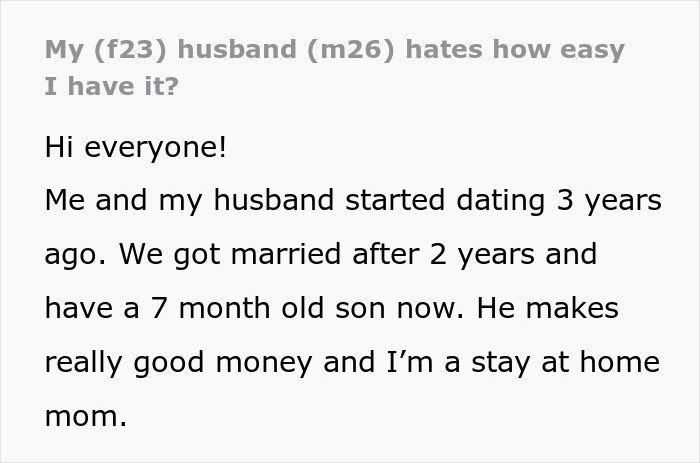
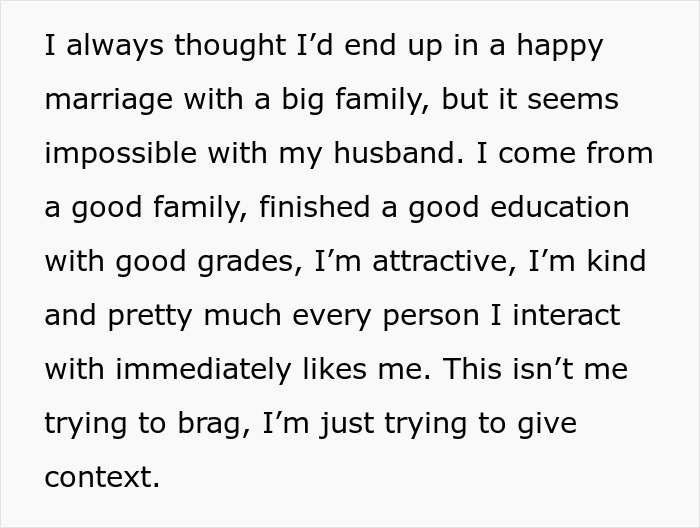
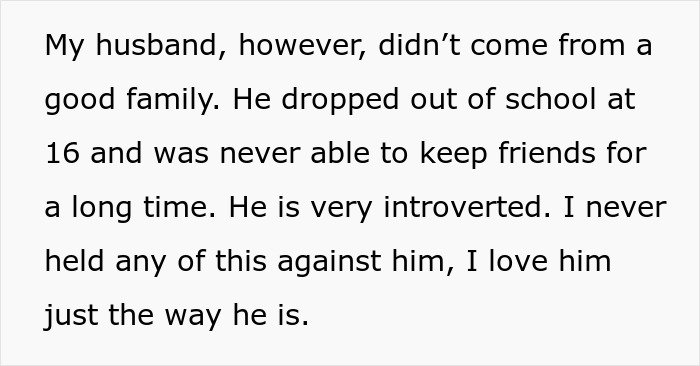
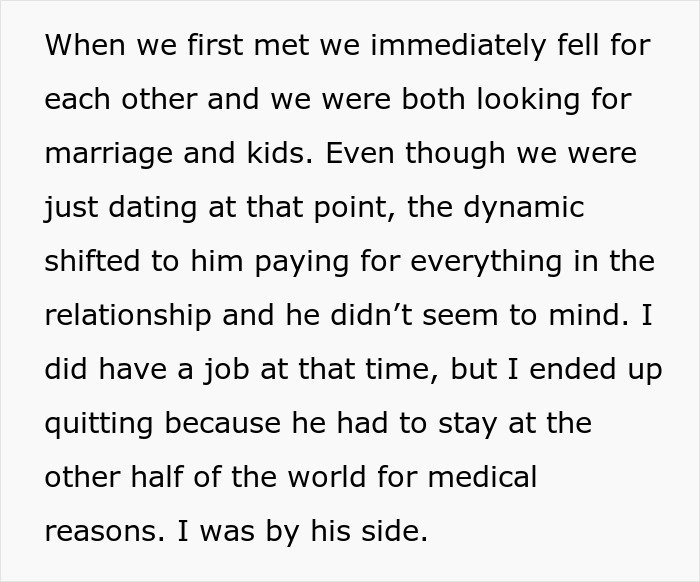
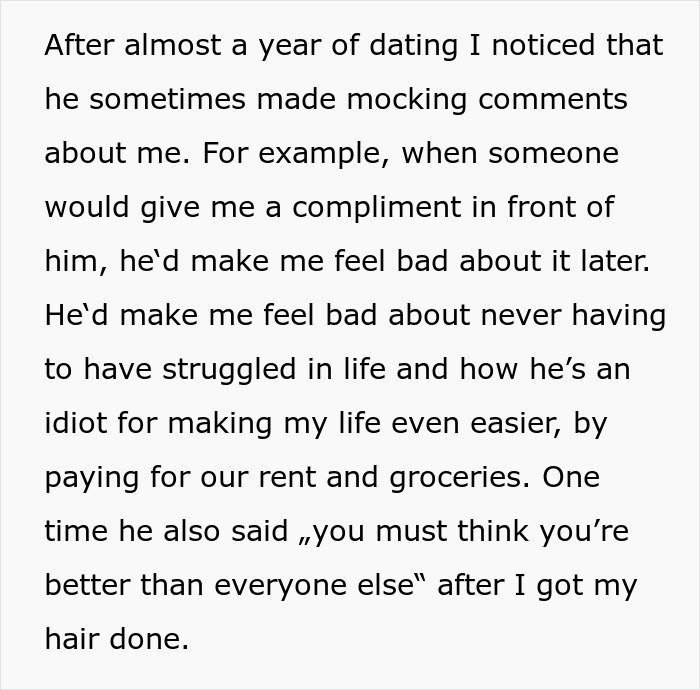
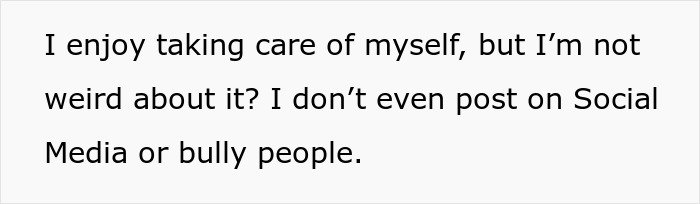
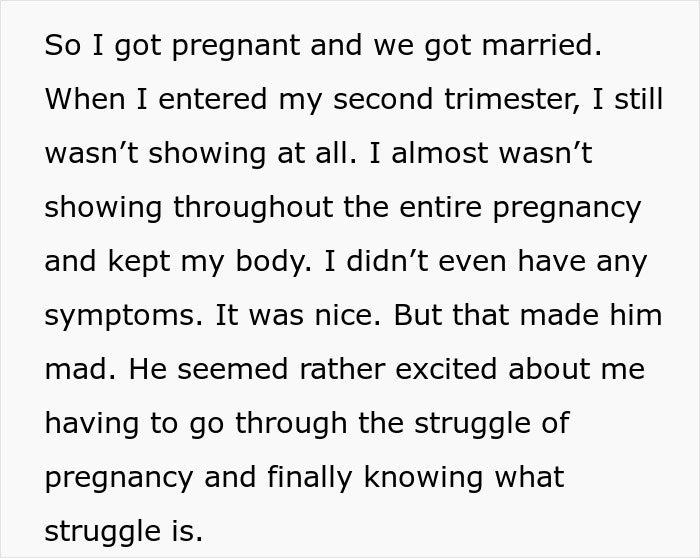
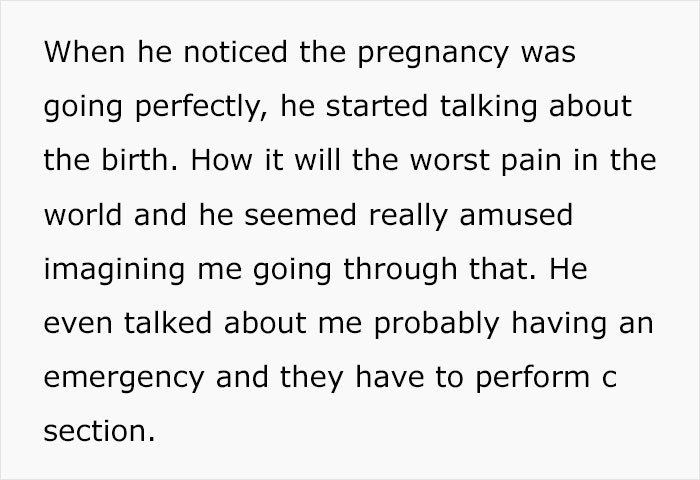
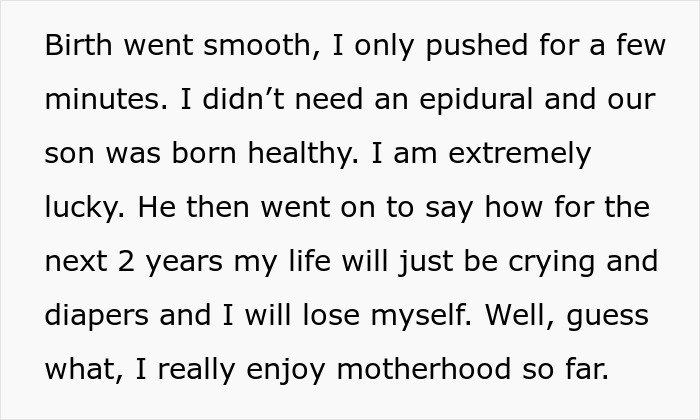
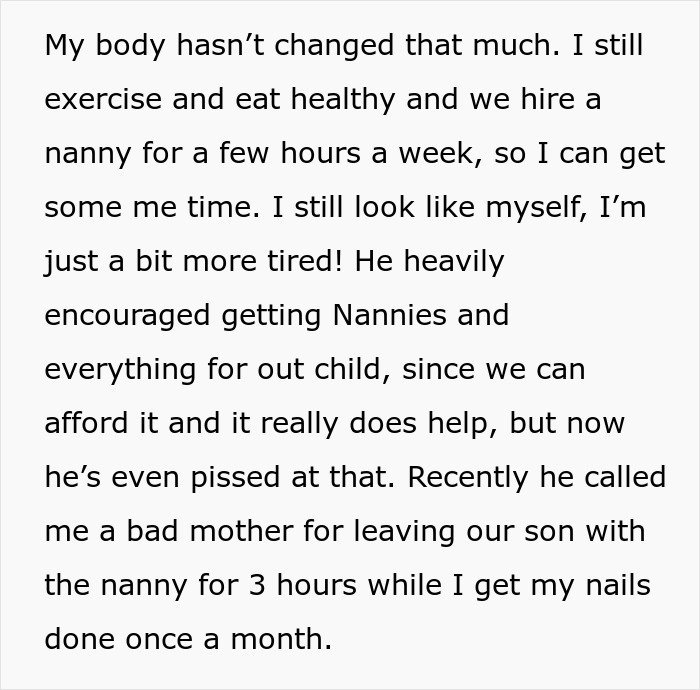
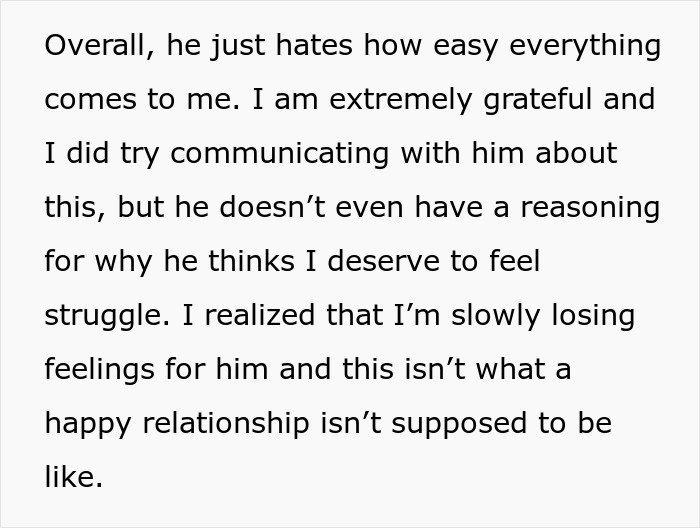
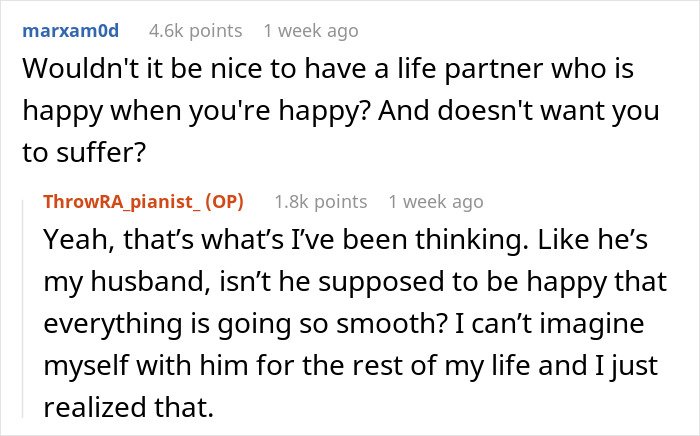
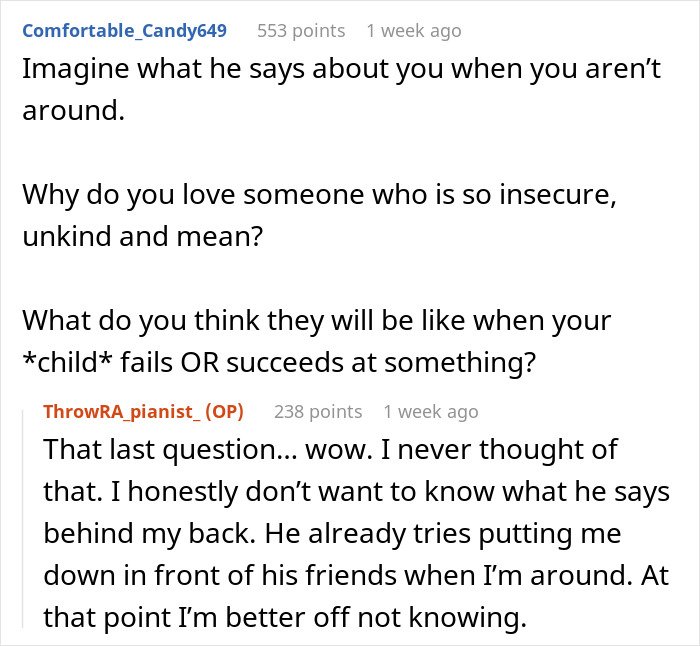
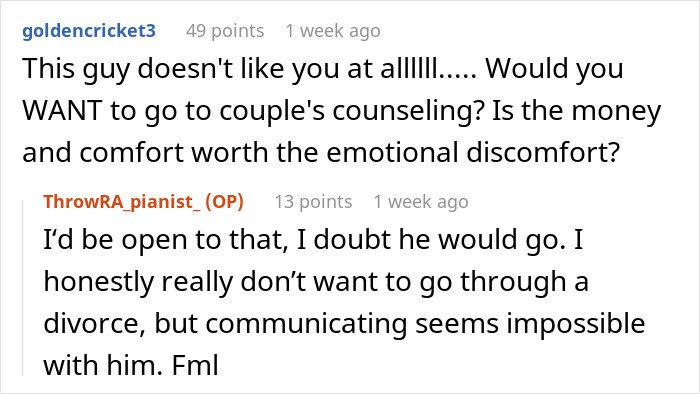
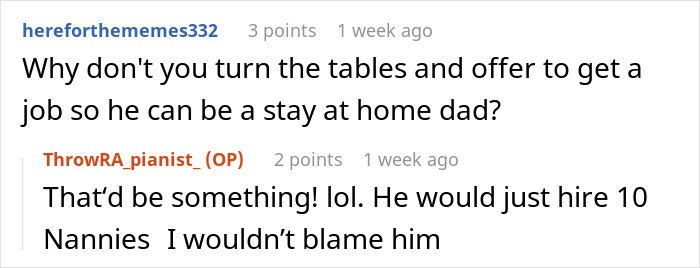
One woman shared that her husband’s resentment toward her has become unbearable. Whenever something goes well for her, he dismisses it and complains that she has life too easy. Unsure how to handle it, she turned to the internet for advice.
Resentment can quickly build up in relationships, even over trivial things
We can resent someone for things completely outside their control In long-term relationships, it is normal to feel annoyed or argue over chores. But leaving even small issues unresolved can create grudges that grow into resentment.
Resentment is a complex feeling that mixes anger, bitterness, disappointment, and disapproval toward someone we believe wronged us. It often depends on perception. We can resent someone for things outside their control, like having a more supportive family or a higher-paying job.
Experts link resentment to jealousy and envy, but also to feeling let down and frustrated. It can sneak up even in happy relationships, making partners irritated by everything the other does. Over time, it builds pressure until it becomes overwhelming.
“Resentment is like a pressure cooker that keeps filling until it is ready to pop,” said licensed marriage and family therapist Anabel Basulto.
“You’re irritated for a reason, and you need to identify what that reason is” Even though resentment is an awful feeling to have towards your partner, it doesn’t mean that the relationship is doomed. “Don’t feel like, I’m annoyed so my relationship is over,” Basulto said. “You’re irritated for a reason and you need to figure out what that reason is.”
When you can pinpoint exactly what makes you resent your partner, the next step is communication. Dr. Alexandra H. Solomon, clinical assistant professor of psychology, suggests the conversation goes something like this. “I am aware that I am starting to feel resentful. Can we please look together at this problem?” It’s important that the other partner responds to such a request with empathy and curiosity, not defensiveness and dismissiveness, Solomon additionally notes.
If conversations aren’t working, couples might consider working together with a therapist. “A professional therapist can help you navigate the conversation and prevent further damage from occurring due to miscommunication or misunderstanding of what the real issues are,” Basulto said.
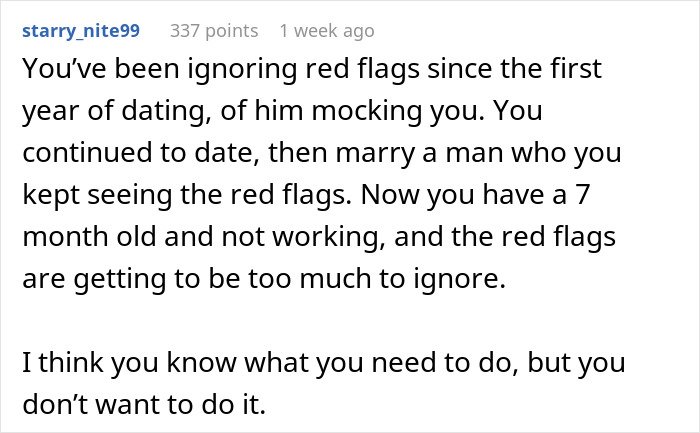
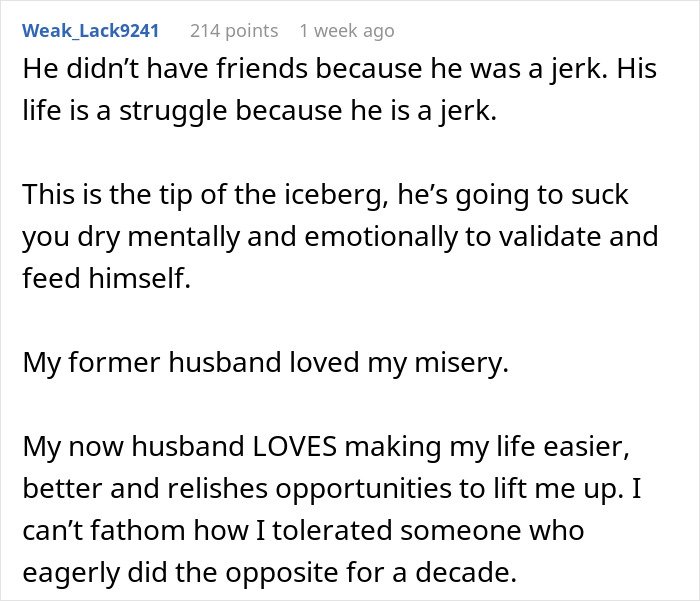
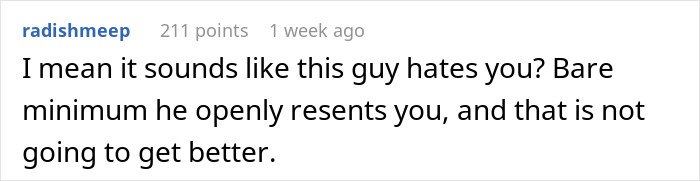
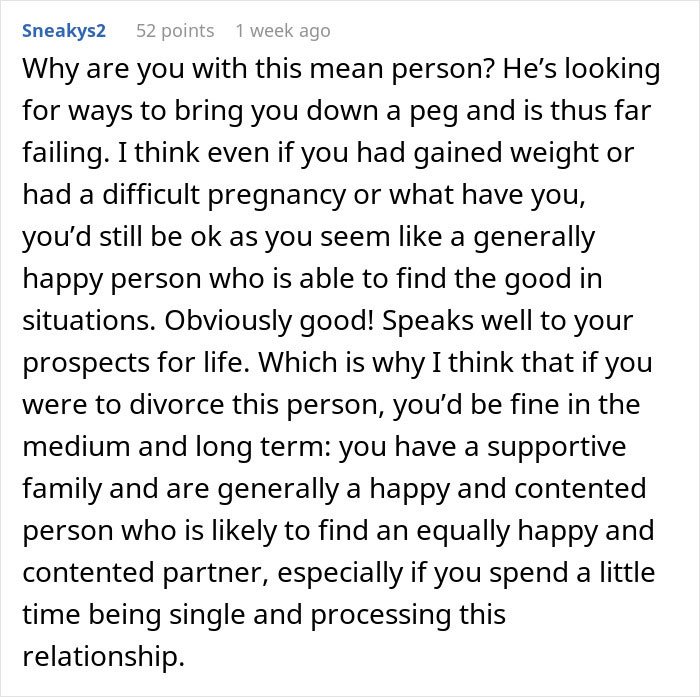
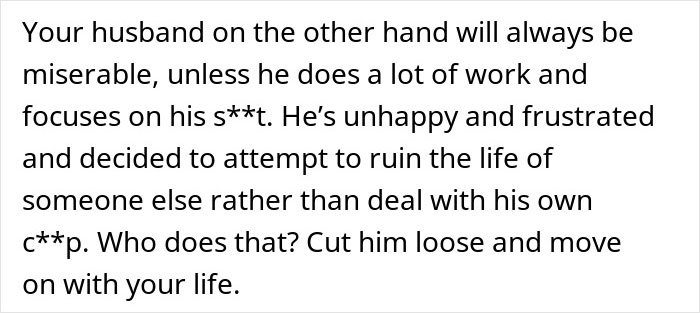
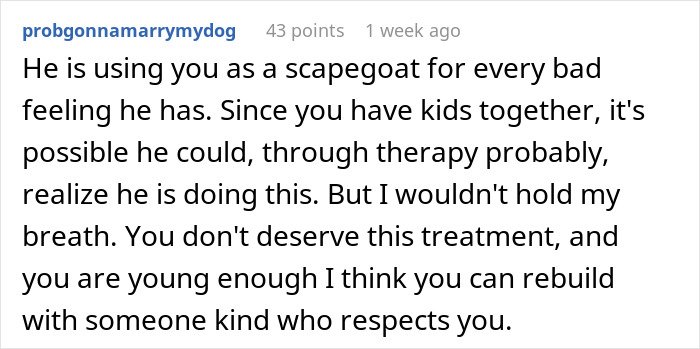
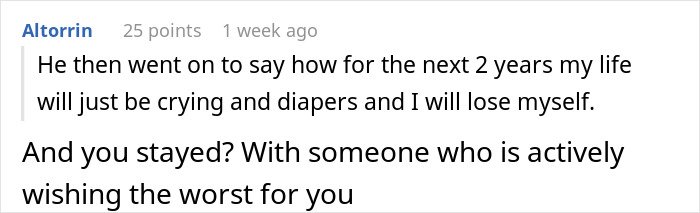
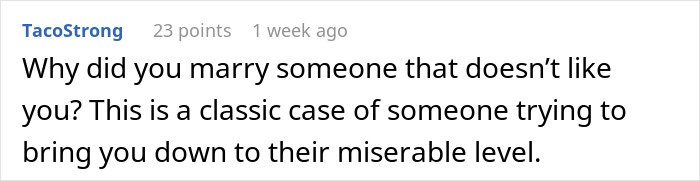
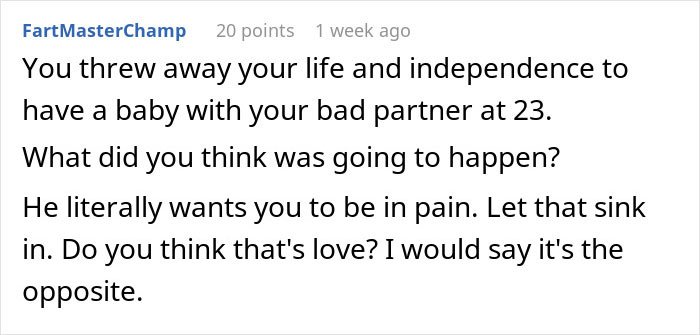
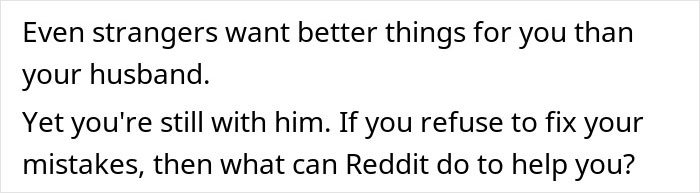
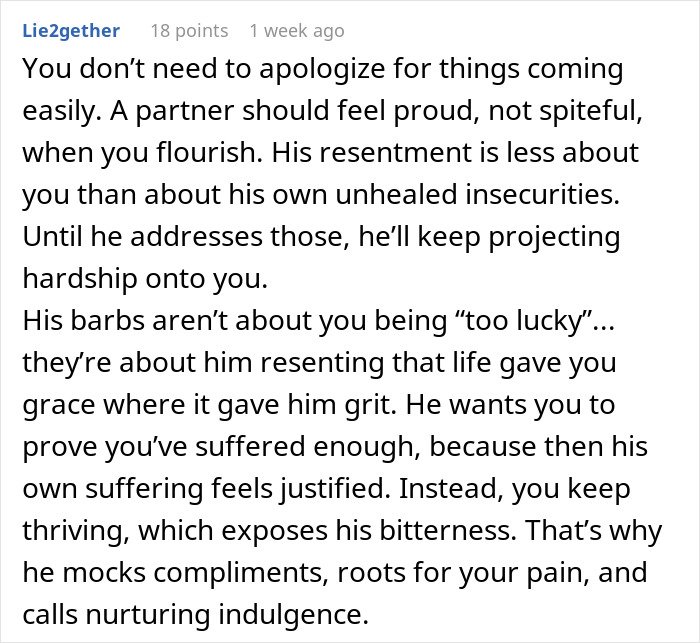
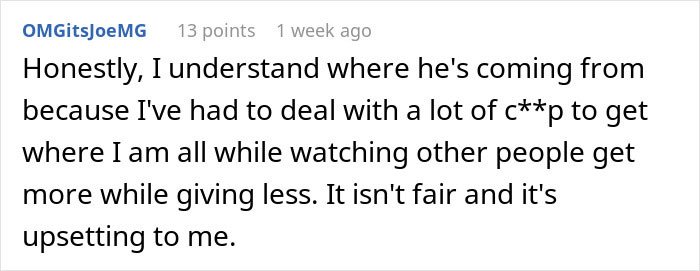
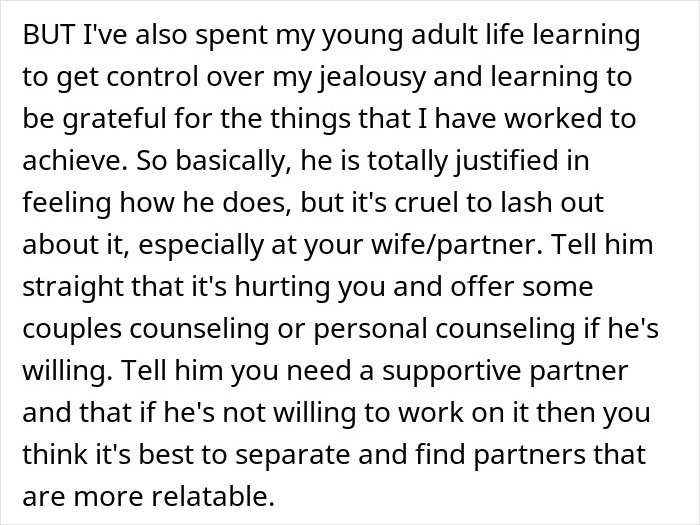
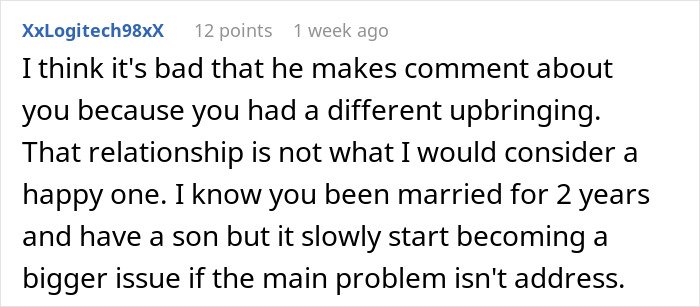
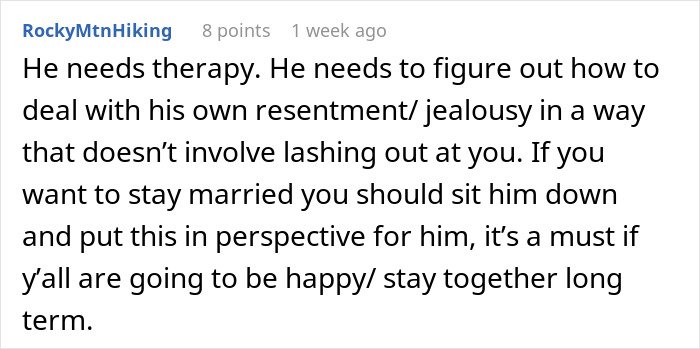
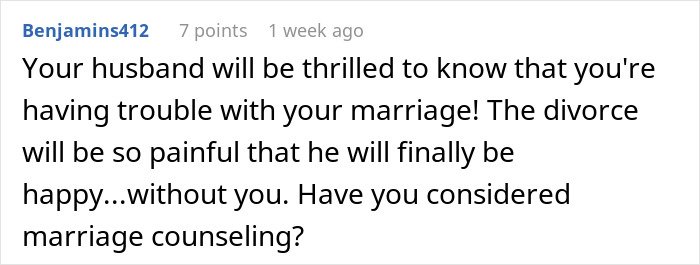
In a healthy relationship, couples should be able to work through their issues. If that’s not the case, the decision to separate might need to be made. But such a choice is the couple’s and only the couple’s to make. Commenters suggested the husband acts this way because he resents or even hates his wife
Hello, We’re content writer who is fascinated by content fashion, celebrity and lifestyle. We helps clients bring the right content to the right people.
















Leave a Reply