Trespassing, Liability, and the Right to Private Property
This case exemplifies a fundamental principle in property law: the sanctity of private property and the legal protection afforded to property owners. The incident escalated from a nuisance to a criminal matter primarily because of the trespassers’ blatant disregard for signage, boundaries, and consent. Let’s explore the legal, ethical, and social dimensions that underscore this event.
Legal Context: What Constitutes Trespassing?
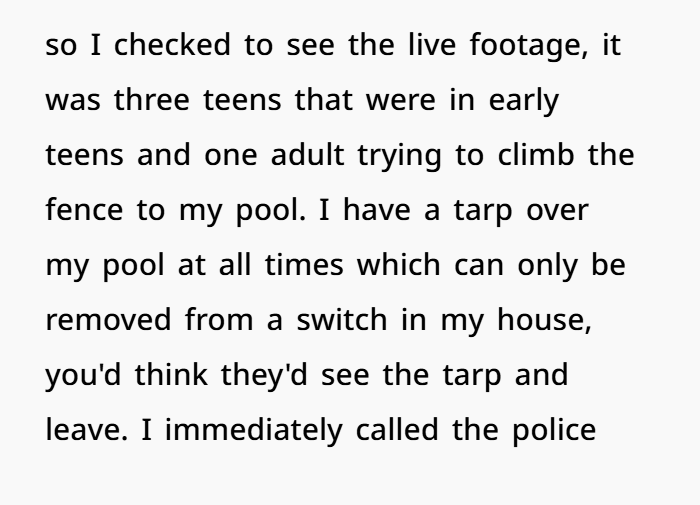
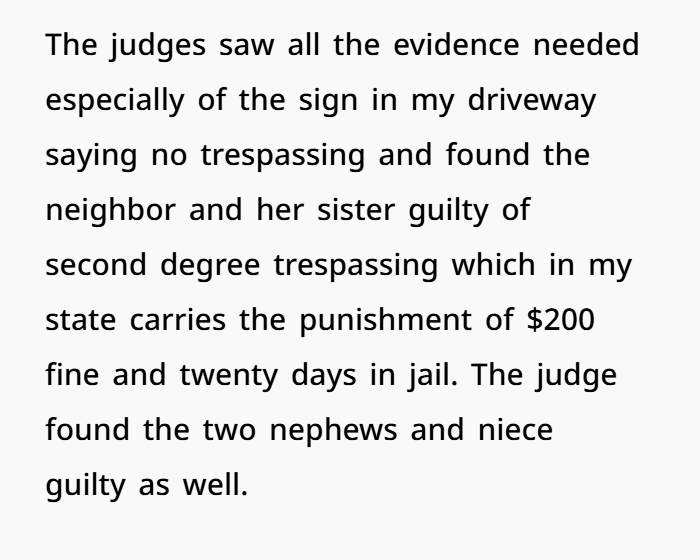
Trespassing refers to entering someone else’s property without permission. In the United States, this can be classified into varying degrees, with second-degree trespassing often defined as unlawfully entering or remaining on another’s property without explicit authorization but without the intent to commit a felony. The fact that the pool was enclosed, clearly signed, and covered adds to the legal weight of the homeowner’s complaint.
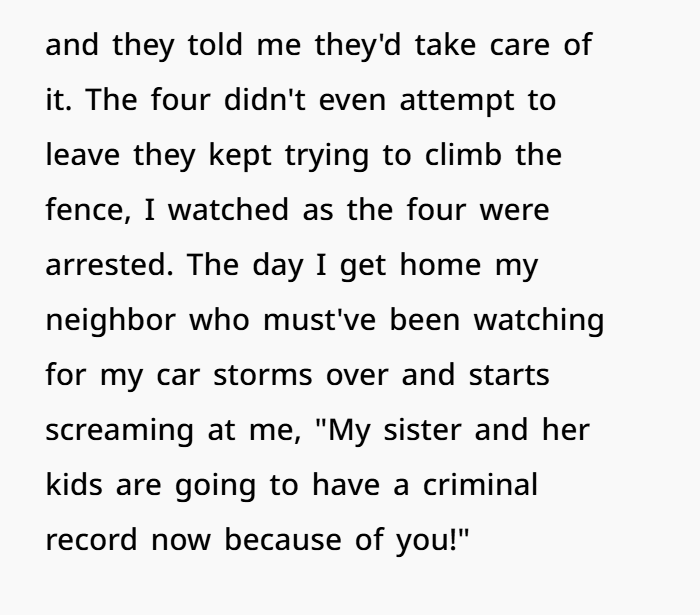
According to statutes in states like North Carolina and Florida, second-degree trespassing can result in a fine of up to several hundred dollars and jail time, typically 20-60 days depending on the judge’s discretion and the circumstances of the case. In this story, the fine and jail time imposed were well within the legal range, and the judge’s decision was supported by irrefutable evidence: surveillance footage and posted warnings.
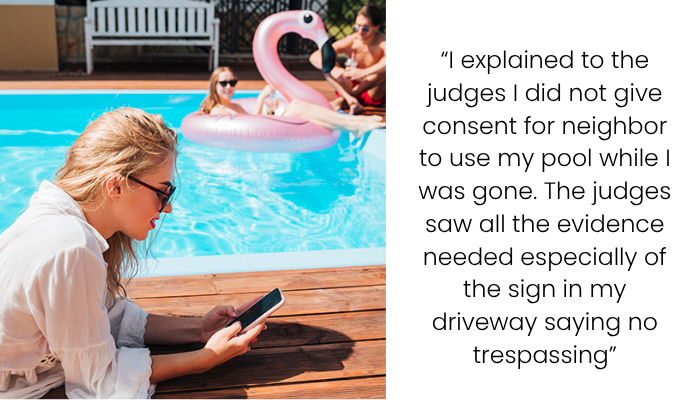
Image credits: volodymyr-t / Freepik (not the actual photo)
Ethical Dimensions: Entitlement and Accountability
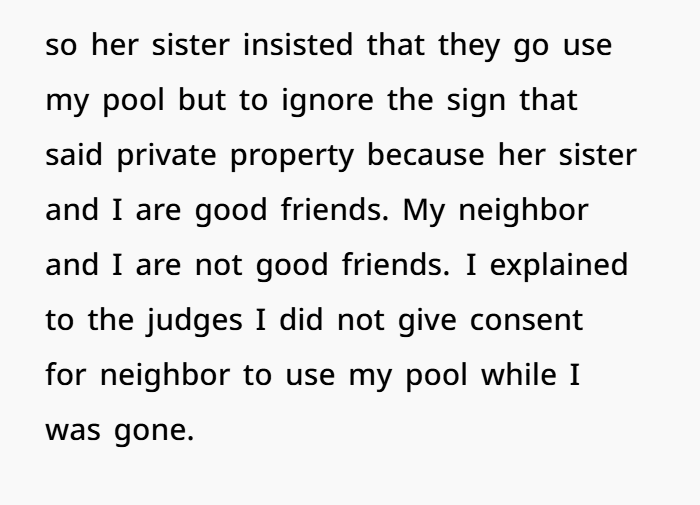
From an ethical perspective, this story reflects the dangers of entitlement and poor boundaries. The neighbor not only encouraged illegal activity but tried to exploit a fictional relationship to justify violating someone else’s space. This behavior reflects what psychologists refer to as “moral disengagement” rationalizing unethical behavior by downplaying harm or blaming the victim.
The neighbor’s expectation that her sister and children could access someone else’s pool without consent under the excuse of a hot day speaks to a troubling disregard for autonomy and property rights. Her anger post-arrest highlights a failure to take responsibility, attempting instead to deflect blame onto the very person whose space was violated.
The Role of Surveillance and Modern Home Security
This case also underscores the effectiveness and importance of modern home surveillance systems. Motion-triggered alerts, live footage access, and strategically placed cameras provide not only real-time protection but also critical legal documentation. According to a 2023 study by the National Crime Prevention Council, homes equipped with security systems are 300% less likely to experience break-ins or property-related crimes, and video evidence significantly increases the likelihood of conviction in trespassing and vandalism cases.
Image credits: karlyukav / Freepik (not the actual photo)
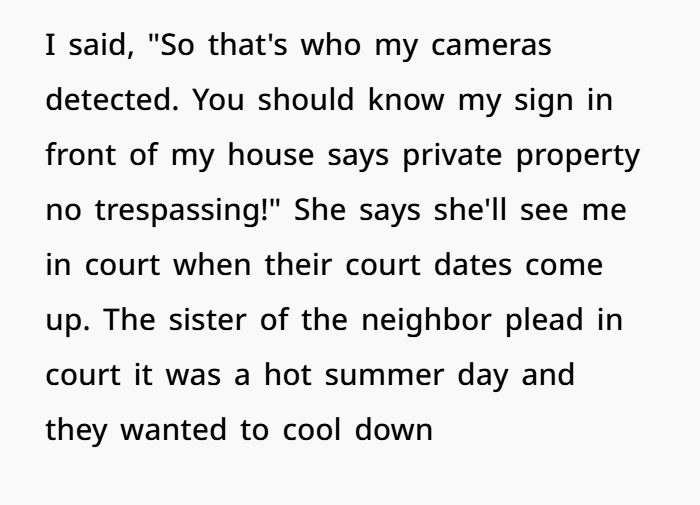
Furthermore, the presence of signage“Private Property” and “No Trespassing” legally strengthens the homeowner’s case. Courts often consider whether the offender had reasonable awareness that their entry was unlawful. In this situation, ignoring posted warnings, breaching a locked gate, and interacting with a secured pool tarp showed clear intent and awareness of wrongdoing.
Juvenile Responsibility and Court Handling
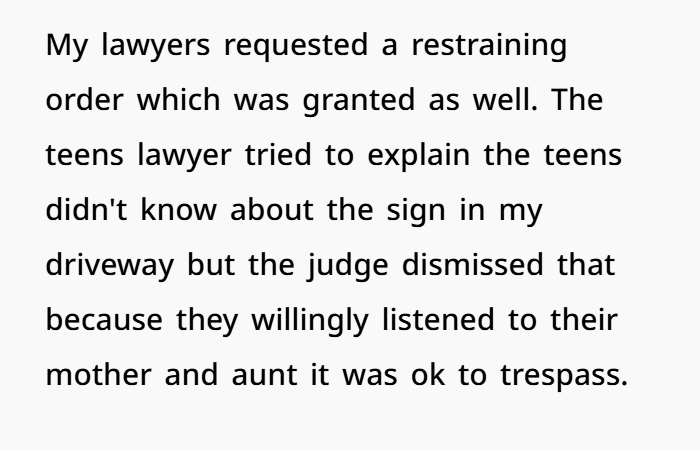
The involvement of minors introduces questions about juvenile accountability. Many states hold parents or guardians legally responsible for the actions of minors, especially in trespassing and vandalism cases. However, when teens are old enough to understand their actions and still proceed, courts can rule them directly accountable as occurred here.
The judge’s rejection of the defense that the teens didn’t see the sign was legally sound. According to standard trespass case law, willful ignorance or blind obedience to authority (in this case, their mother and aunt) does not absolve individuals from liability if a reasonable person would have known better.
Restraining Orders as Preventive Tools
The issuance of a restraining order further reinforced the homeowner’s right to peace and safety. These court orders, which prohibit contact or proximity from specific individuals, are often granted when there’s evidence of harassment, threats, or repeated violations. In this scenario, the neighbor’s post-arrest confrontation likely bolstered the case for one. Restraining orders serve both as a deterrent and as a protective mechanism, ensuring that future boundary violations are met with swift legal consequences.
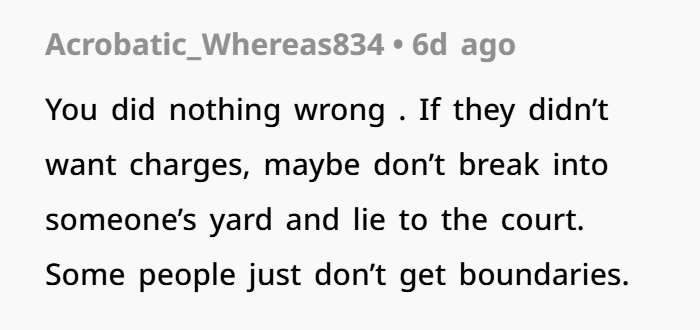
“Great ending”: many people felt the homeowner did the right thing
Furthermore, the presence of signage“Private Property” and “No Trespassing” legally strengthens the homeowner’s case. Courts often consider whether the offender had reasonable awareness that their entry was unlawful. In this situation, ignoring posted warnings, breaching a locked gate, and interacting with a secured pool tarp showed clear intent and awareness of wrongdoing.
“Great ending”: many people felt the homeowner did the right thing











Leave a Reply